How to Disagree With Your Boss: 25 Scripts That Work

Most pushback fails because people confuse having information with having an opinion. Those need opposite approaches. Here are 25 scripts, sorted by which one you have.
 Ahmad Waheed
Most pushback fails because people confuse having information with having an opinion. Those need opposite approaches. Here are 25 scripts, sorted by which one you have.
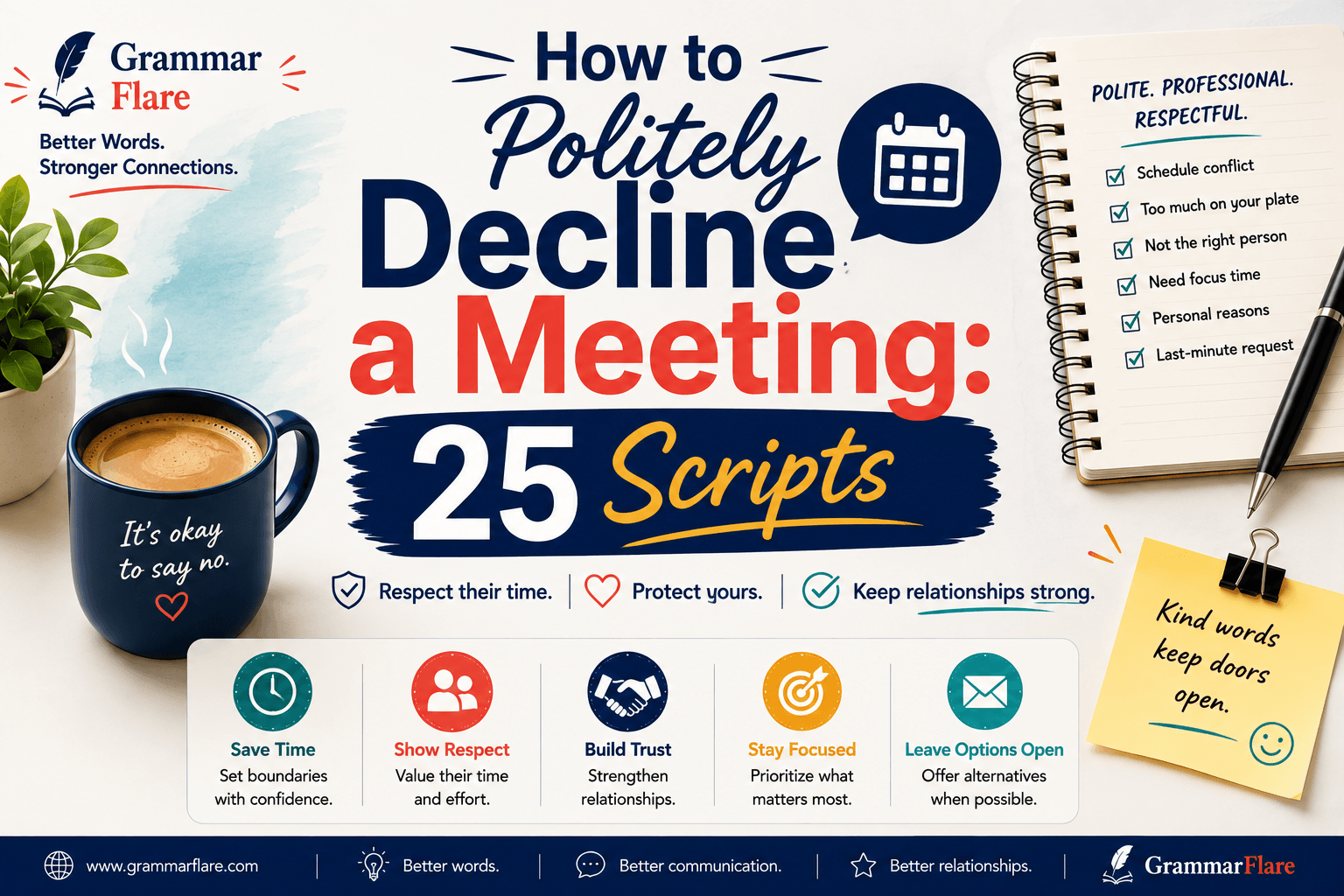
Most declines fail because they explain too much, which turns a decision into a negotiation. Here are 25 scripts, and a structure that works for almost any situation.

Most writers know the rule for two clauses. Far fewer know why “she tried but failed” takes no comma at all. One test covers both cases.

The phrase asks for something without saying what, which leaves the reader to work out both the question and the answer. Here are 30 alternatives that get a straight reply.
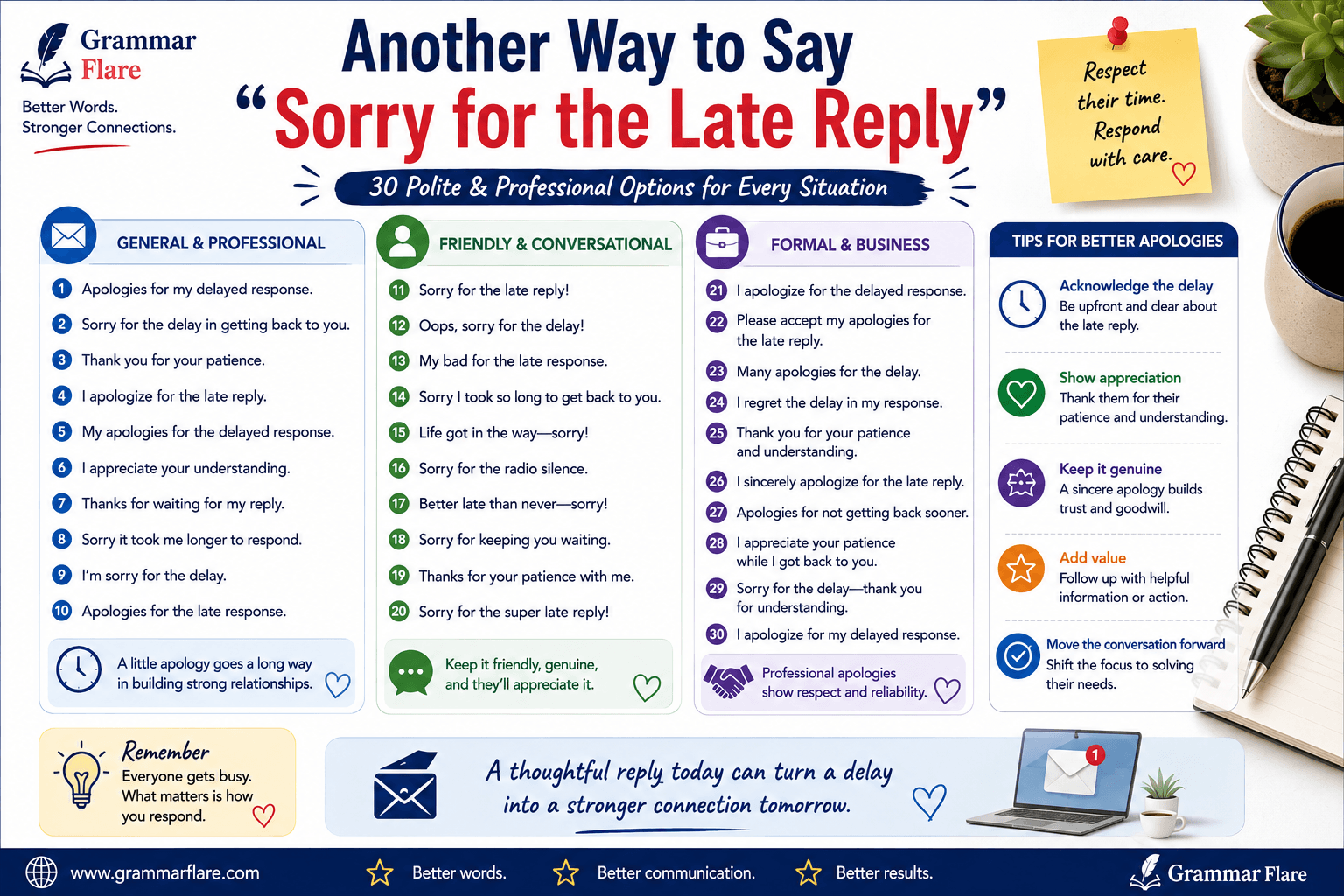
Most late replies do not need an apology, and opening with one makes the delay bigger than it was. Here are 30 alternatives graded by how late you actually are.

The phrase reads as a rebuke because it points at what the reader missed instead of what you need. Here are 30 alternatives, plus whether “as per” is correct English at all.

Most check-in emails get ignored for a structural reason, not a stylistic one. Here are 35 alternatives sorted by situation, from a first polite follow-up to chasing an overdue invoice.
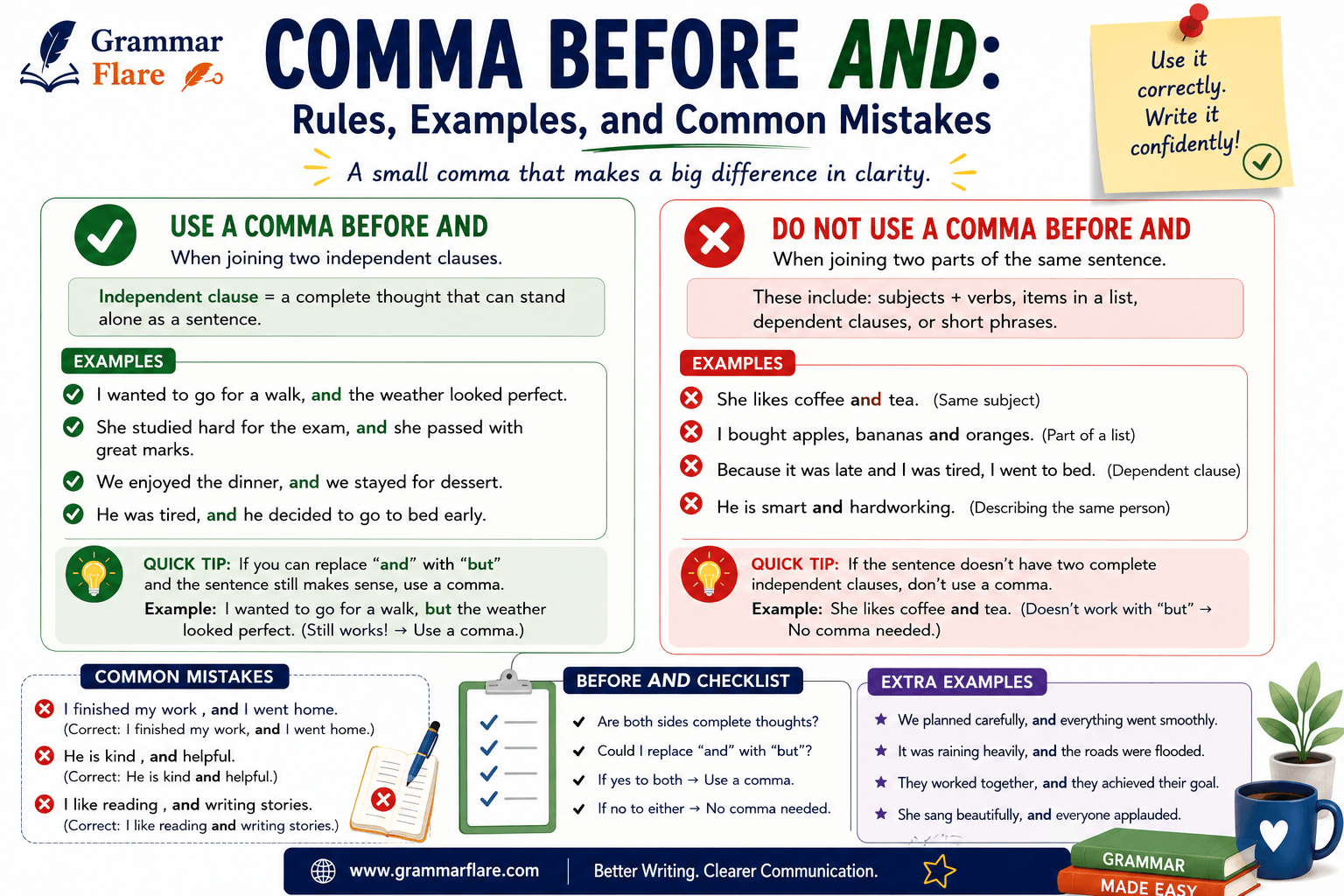
Learn when to use a comma before and in sentences and lists with simple rules, clear examples, common mistakes, and an easy test.
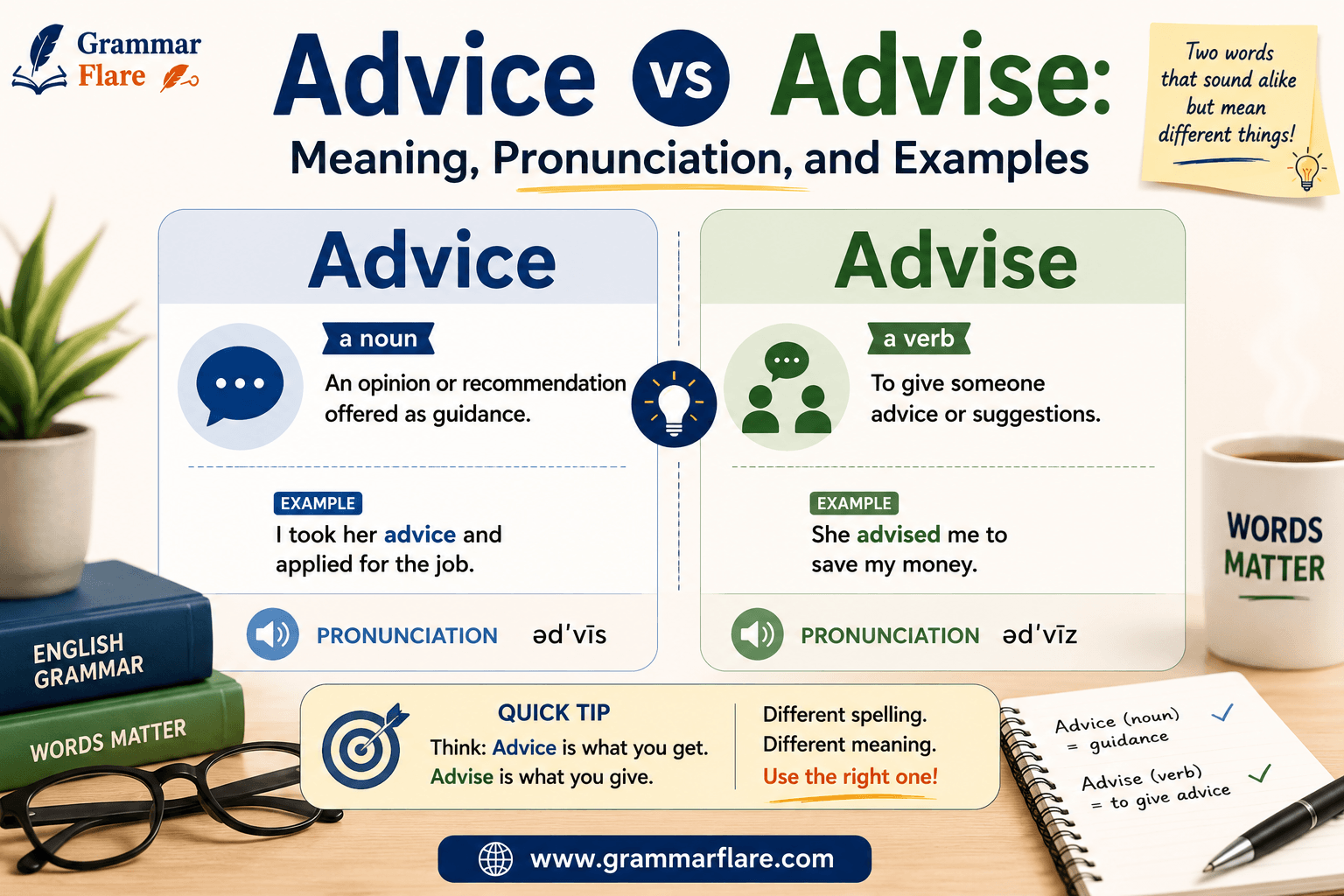
Confused about advice vs. advise? Learn which word is a noun, which is a verb, how to pronounce them, and how to use both correctly.
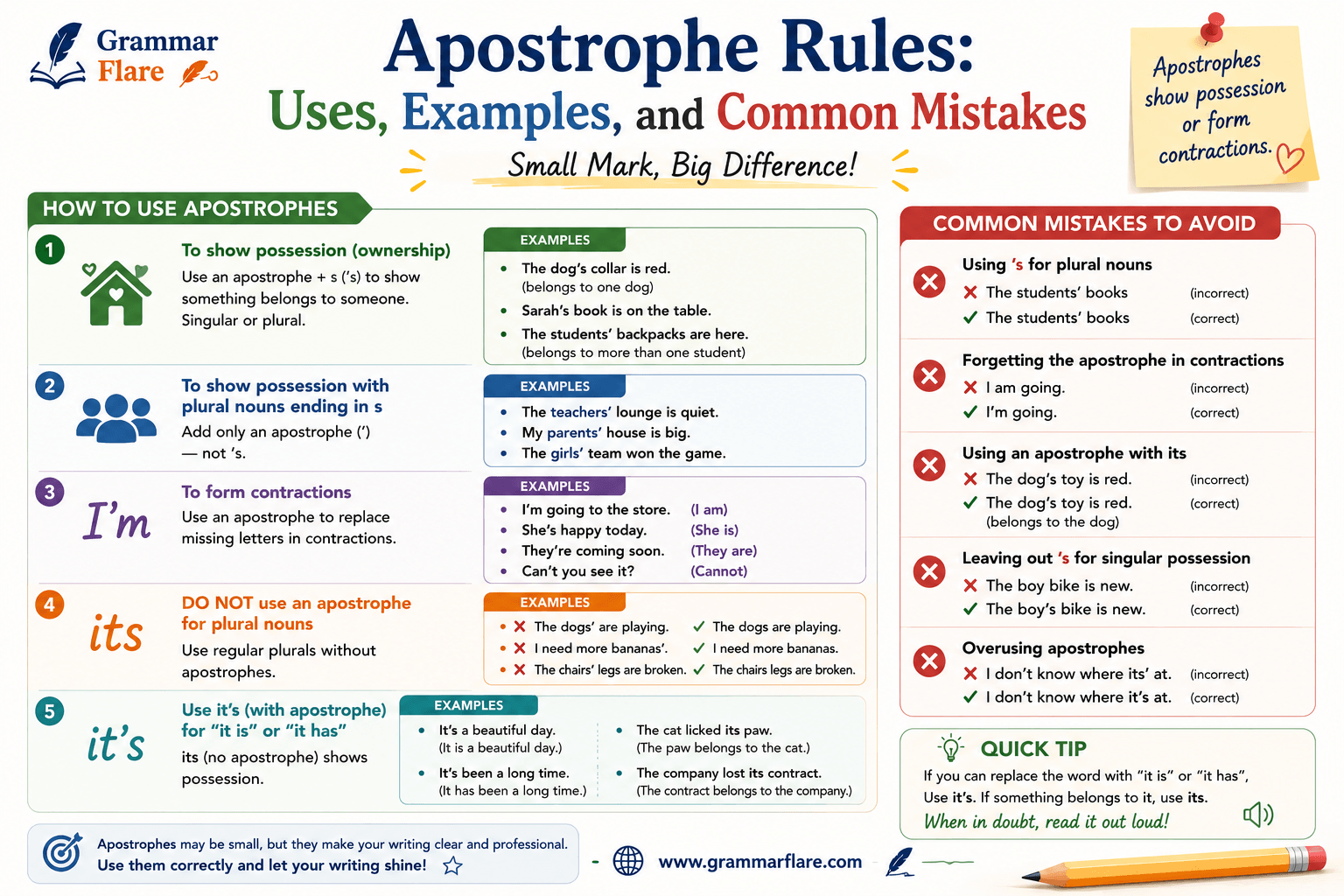
Learn the essential apostrophe rules for possessives, contractions, plurals, names, dates, and common mistakes through clear examples and a quick quiz.